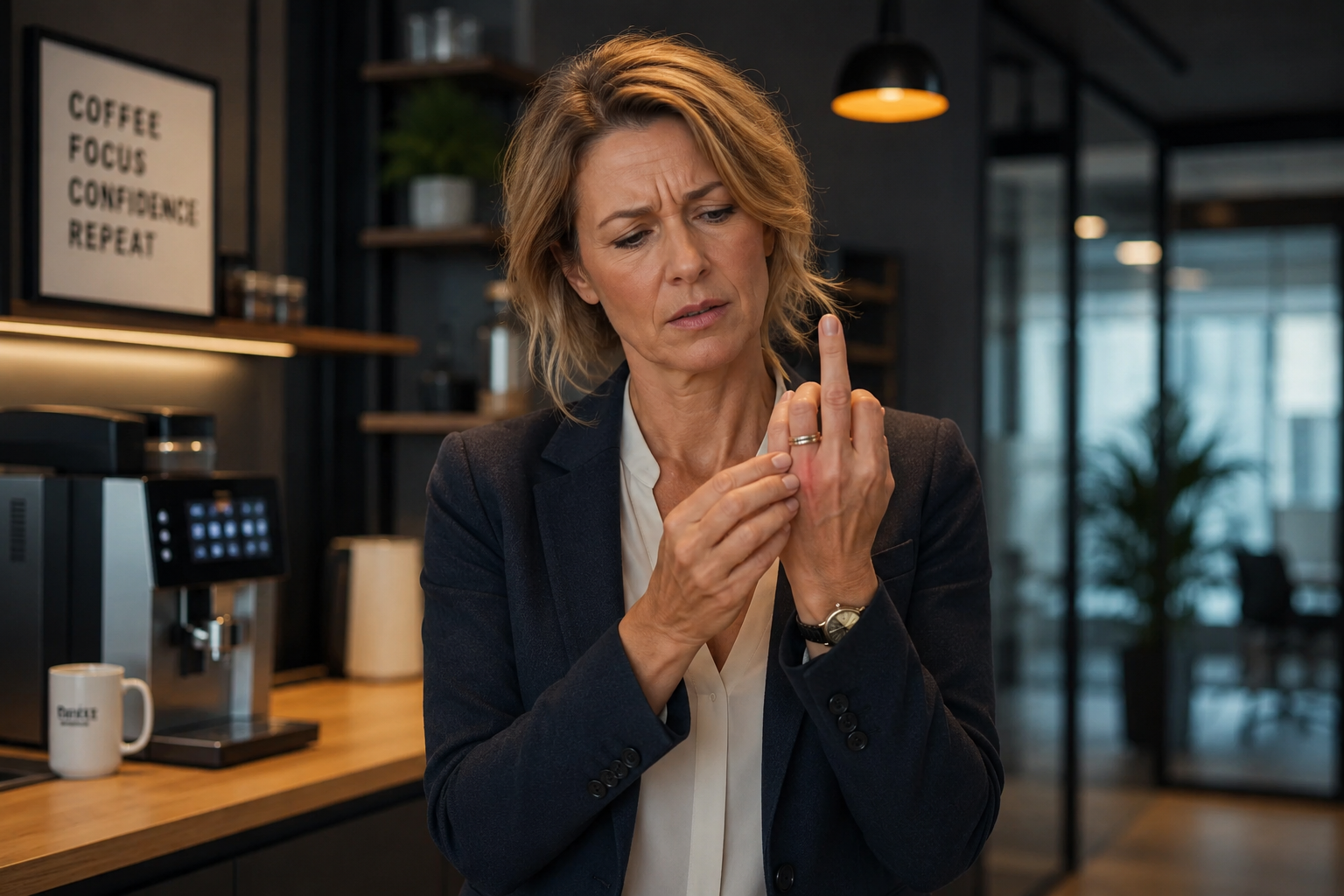
First one finger hurt. Then my back joined in. Soon my knees had opinions too.
I was standing at the coffee machine when my middle finger joint started hurting absurdly. My first thought was that I had used that finger too enthusiastically while driving. Only mentally, obviously. A few nights later my back hurt, then my knees complained when I stood up.
I wondered about arthritis, rheumatism and whether I was simply falling apart. Then I discovered how many women ask the same question during menopause: Can hormones really make my joints hurt?
The short answer
Muscle aches, joint pain and stiffness are reported during perimenopause and menopause, and changing oestrogen may influence pain and musculoskeletal tissues. But menopause is not a diagnosis for every painful joint. Osteoarthritis, inflammatory arthritis, injury, thyroid disease, vitamin deficiency and other conditions may produce similar symptoms.
What does menopause joint pain feel like?
Women describe aching knees, hips, shoulders, hands and feet; morning stiffness; soreness after sitting; or a sense that recovery takes longer. Symptoms may fluctuate alongside poor sleep and hot flushes. Pain is real even when an X-ray does not provide a simple answer.
What might hormones have to do with it?
Oestrogen receptors exist in bone, muscle, tendons and joints, and oestrogen interacts with inflammation and pain processing. Researchers are still working out how much menopausal hormone change contributes compared with ageing, previous injuries, body composition, activity and sleep. The honest answer is not ‘it is all hormones’, but neither is it ‘just getting older’.
Broken sleep can turn down our tolerance for pain, while pain makes sleep harder — a miserable loop. Night sweats may therefore matter even when the main complaint is a knee or shoulder.
What can help menopause-related aches?
- Keep moving gently during a flare rather than becoming completely inactive, unless an injury requires rest.
- Build strength gradually. Muscles support joints, and resistance exercise also protects bone.
- Include mobility work and vary repeated positions during the day.
- Prioritise sleep and recovery, and increase training load slowly.
- Ask a physiotherapist or clinician for a tailored plan when pain limits activity.
Supplements are often marketed aggressively for joint pain. Evidence and safety vary, and more is not automatically better. Vitamin D should address an actual need; magnesium is not a universal joint-pain treatment; and collagen studies do not prove that every product works. Review supplements with a pharmacist or clinician, especially alongside medicines.
Can HRT help joint pain?
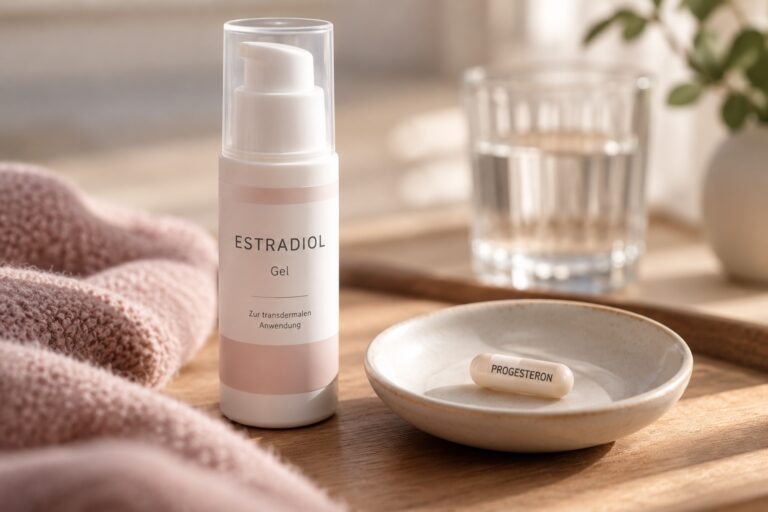
Some women report improvement and some research suggests musculoskeletal symptoms may respond, but HRT is not guaranteed to resolve joint pain and is not suitable for everyone. Decisions should focus on the whole menopause picture and individual risks and benefits. This is the context behind my personal HRT decision.
When joint pain should not be put down to menopause
Seek medical advice for a hot, red or markedly swollen joint; prolonged morning stiffness; fever; unexplained weight loss; weakness; numbness; a new rash; pain after injury; or symptoms that are progressive or disrupt sleep and normal activity. Sudden severe pain, inability to bear weight or neurological symptoms need prompt attention.
FAQ: menopause joint pain
Is joint pain a common menopause symptom?
Muscle and joint aches are commonly reported and listed by major menopause health organisations, although estimates vary and symptoms can have other causes.
Which joints hurt during menopause?
Hands, knees, hips, shoulders, feet and the back may be affected. The location alone cannot confirm that hormones are the cause.
Does menopause joint pain eventually stop?
It may improve as hormonal fluctuations settle or with appropriate treatment and exercise, but persistent pain deserves assessment rather than a promise that it will disappear.
Sources and further reading
- NHS: Menopause and perimenopause symptoms
- The Menopause Society: Symptoms
- Lancashire and South Cumbria NHS: Perimenopause, menopause and pain
This article offers personal experience and general education. It cannot diagnose the cause of joint pain or replace individual medical care.